
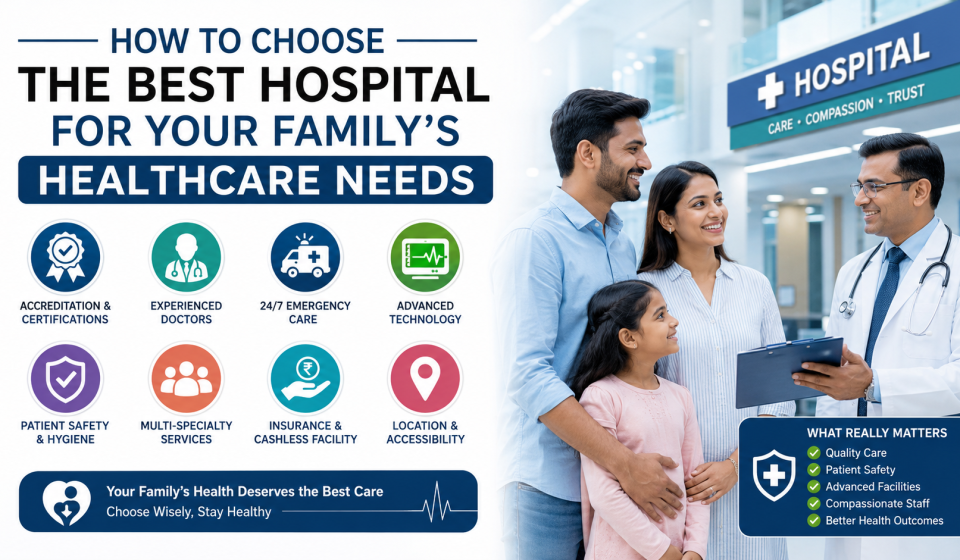

Choosing the right hospital is one of the most important decisions you can make for your family’s health and well-being. Whether it is for routine medical care, emergency treatment, surgery, or specialized healthcare services, the quality of the hospital you choose can significantly impact treatment outcomes and patient experiences.
With numerous healthcare facilities available today, finding the best hospital can seem overwhelming. Factors such as medical expertise, technology, emergency services, patient safety, and quality of care all play a crucial role in making the right choice.
In this guide, we will explore the key factors you should consider when selecting a hospital for your family’s healthcare needs and how to ensure you receive the highest standard of medical care.
Why Choosing the Right Hospital Matters
The hospital you choose can influence:
- Quality of medical treatment
- Patient safety and infection control
- Access to specialized healthcare services
- Recovery speed and treatment outcomes
- Emergency response capabilities
- Overall patient satisfaction
A well-equipped hospital with experienced healthcare professionals can provide accurate diagnoses, effective treatments, and comprehensive care for patients of all ages.
1. Check Hospital Accreditation and Certifications
One of the first things to consider is whether the hospital is accredited by recognized healthcare organizations.
Accreditation indicates that the hospital meets specific quality and safety standards established by healthcare authorities.
Look for hospitals that have:
- NABH Accreditation
- NABL Certified Laboratories
- Government-approved healthcare certifications
- Quality assurance programs
Accredited hospitals generally follow strict protocols for patient care, hygiene, and safety.
2. Evaluate the Medical Expertise of Doctors
The experience and qualifications of doctors are essential when choosing a hospital.
Consider:
- Board-certified specialists
- Experienced surgeons
- Multi-specialty medical teams
- Availability of expert consultants
Hospitals with highly skilled doctors can provide better diagnosis and treatment options for various health conditions.
3. Assess Emergency Care Services
Medical emergencies can happen at any time.
A good hospital should offer:
- 24/7 emergency services
- Trauma care facilities
- Ambulance support
- Emergency surgery capabilities
- Critical care units
Fast emergency response can make a significant difference in life-threatening situations.
4. Consider Hospital Infrastructure and Technology
Modern medical technology plays a vital role in accurate diagnosis and treatment.
Look for hospitals equipped with:
- Advanced diagnostic imaging
- Digital medical records
- Modern operation theaters
- Intensive Care Units (ICU)
- Cardiac monitoring systems
- Laboratory services
Hospitals that invest in modern technology often provide more efficient and effective healthcare services.
5. Review Patient Safety Standards
Patient safety should always be a top priority.
Important safety measures include:
- Infection prevention protocols
- Medication safety procedures
- Surgical safety practices
- Clean and sanitized facilities
- Qualified nursing staff
Hospitals with strong patient safety programs help reduce medical complications and improve treatment outcomes.
6. Check Availability of Specialized Services
Families may require specialized medical services depending on their healthcare needs.
Common specialties include:
- Cardiology
- Orthopedics
- Neurology
- Pediatrics
- Gynecology
- Oncology
- Gastroenterology
- Pulmonology
A multi-specialty hospital can provide comprehensive healthcare under one roof.
7. Evaluate Patient Reviews and Reputation
Patient feedback can provide valuable insights into hospital quality.
Look for reviews related to:
- Doctor expertise
- Nursing care
- Cleanliness
- Waiting times
- Staff behavior
- Overall patient experience
Consistently positive reviews often indicate reliable healthcare services.
8. Verify Insurance and Cashless Treatment Options
Healthcare costs can be significant.
Choose a hospital that:
- Accepts major insurance plans
- Offers cashless treatment facilities
- Provides transparent billing
- Assists with insurance claims
This can help reduce financial stress during medical treatment.
9. Consider Location and Accessibility
The location of the hospital is especially important during emergencies.
Factors to consider:
- Distance from home
- Availability of parking
- Accessibility by public transportation
- Emergency ambulance routes
A conveniently located hospital ensures faster access to medical care when needed.
10. Examine Hospital Hygiene and Cleanliness
Hospital cleanliness directly affects patient safety.
A high-quality hospital should maintain:
- Clean patient rooms
- Sanitized equipment
- Proper waste disposal systems
- Regular disinfection procedures
Good hygiene practices help prevent healthcare-associated infections.
11. Assess Nursing Care Quality
Nurses play a critical role in patient recovery.
Look for hospitals with:
- Well-trained nursing staff
- Adequate nurse-to-patient ratios
- Compassionate patient care
- Continuous monitoring services
Quality nursing care contributes significantly to positive patient outcomes.
Availability of Preventive Healthcare Services
Preventive care helps detect health issues early.
Many leading hospitals offer:
- Health checkup packages
- Vaccination services
- Wellness programs
- Screening tests
- Chronic disease management
Regular preventive healthcare can improve long-term family health.
Questions to Ask Before Choosing a Hospital
Before making a decision, consider asking:
- Is the hospital accredited?
- Are specialist doctors available?
- What emergency services are offered?
- Does the hospital accept my insurance?
- What patient safety measures are in place?
- Are advanced diagnostic services available?
- What are the hospital’s infection rates?
- How experienced are the healthcare providers?
Why Families Prefer Multi-Specialty Hospitals
Multi-specialty hospitals offer several advantages:
- Comprehensive healthcare services
- Access to multiple specialists
- Coordinated treatment plans
- Advanced diagnostic facilities
- Better emergency care
These hospitals provide convenient access to a wide range of healthcare services for every family member.
Source
- https://www.who.int/
- https://www.who.int/health-topics/patient-safety
- https://www.cdc.gov/
- https://www.cdc.gov/healthcare-associated-infections/
- https://nabh.co/
Conclusion
Choosing the best hospital for your family’s healthcare needs requires careful research and evaluation. Factors such as accreditation, doctor expertise, emergency care, patient safety, technology, insurance support, and overall reputation should all be considered before making a decision.
A trusted healthcare provider can offer peace of mind, quality treatment, and comprehensive medical care whenever your family needs it most. By taking the time to evaluate your options carefully, you can ensure better health outcomes and long-term well-being for your loved ones.
FAQs
1. What is the most important factor when choosing a hospital?
Patient safety, doctor expertise, accreditation, and quality of care are among the most important factors.
2. Why is hospital accreditation important?
Accreditation indicates that the hospital follows recognized healthcare quality and safety standards.
3. How can I check a hospital’s reputation?
You can review patient testimonials, online ratings, healthcare certifications, and treatment outcomes.
4. Should I choose a hospital close to my home?
Yes, especially for emergencies, quick access to medical care is important.
5. What are the benefits of a multi-specialty hospital?
Multi-specialty hospitals provide access to various specialists, advanced technology, and comprehensive healthcare services under one roof.
6. Why are preventive health checkups important?
Preventive checkups help detect diseases early and improve treatment outcomes.